
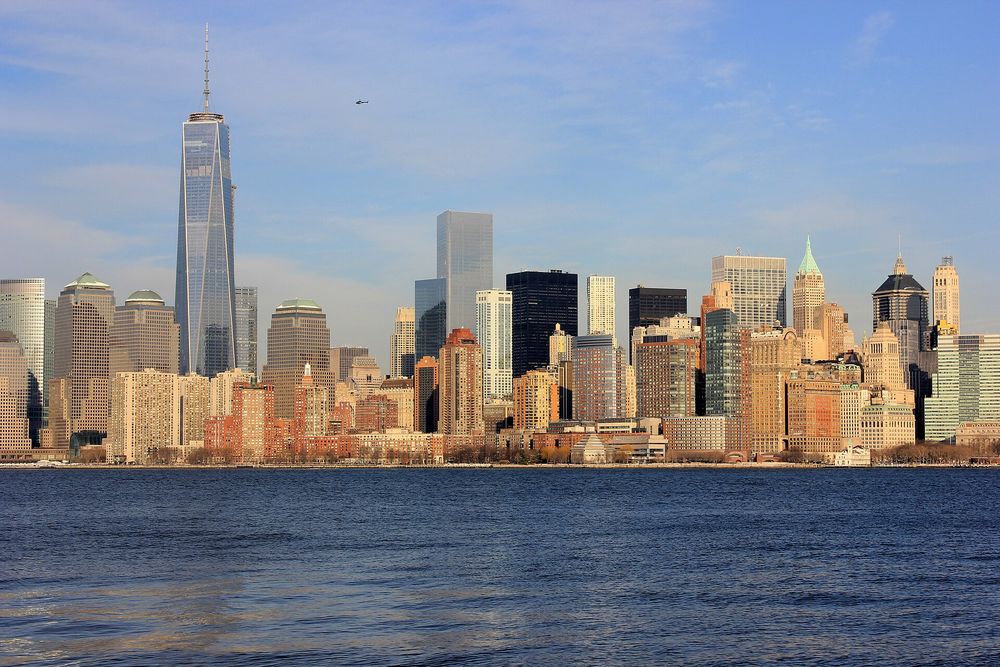
New York is famous for being wildly expensive, and yes, the stories of $20 cocktails and $400 hotel rooms are accurate. Residents and savvy visitors, however, experience a different city. Some of NYC's finest meals come in under $15, many of its most famous sights cost nothing, and its transit network, flaws and all, is among the cheapest in any big Western city. Plan a little and you can live the New York that millions of locals actually know, for a small slice of what the typical tourist spends.
Flying In Without Overpaying
Three major airports serve New York, and fares between them can vary a lot. Newark (EWR) sits in New Jersey yet is frequently $50 to $100 cheaper than JFK on both transatlantic and domestic routes. The AirTrain plus NJ Transit takes you from EWR to Penn Station in Manhattan for less than $15 in roughly 30 minutes — a bargain next to an $80 cab from JFK.
JFK (Kennedy) is the biggest of the three and handles most international traffic; the AirTrain-plus-subway combo reaches Manhattan for $11 in about an hour. LaGuardia (LGA), the closest to Manhattan, handles only domestic flights and connects to the city via the M60 bus or the new LGA AirTrain to Mets-Willets Point.
As for timing, skip Friday and Sunday evening flights, when business travelers and weekend visitors crowd the system and drive fares up. Tuesday, Wednesday and Saturday are reliably cheaper. Our agents can check all three NYC airports in moments and find the lowest total of airfare plus ground transport for your dates.
Picking a Place to Stay
Even mid-range hotels in Manhattan can top $400 a night. The savvy approach is to base yourself just across the river, in areas a stop or two by subway from the main sights.
- Jersey City (NJ) — five minutes by PATH train from the World Trade Center; modern tower hotels well below Manhattan rates
- Long Island City (Queens) — 10 minutes by direct subway to Midtown, with high-rise hotels at 30-40% of Manhattan prices
- Harlem (Upper Manhattan) — technically still Manhattan, with budget hotels along the 2/3 line and remarkable history
- Williamsburg (Brooklyn) — stylish and walkable, on the L train into Manhattan, with hip boutique hotels at mid-range rates
- Astoria (Queens) — a genuine Greek and Middle Eastern neighborhood with fairly priced hotels, 15 minutes by subway from Manhattan
If shared lodging suits you, hostels on the Lower East Side and in Williamsburg start at about $50 a night for a dorm bed. For groups of three or more, Airbnb-style apartment rentals can also be good value.
Getting Around Town
The MTA subway operates around the clock every day of the week, the only big US system that does. A single fare is $2.90, but the smarter buy is the $34 seven-day unlimited pass, which breaks even after roughly 12 rides. Buy it from any station vending machine, or simply use OMNY by tapping a contactless card or phone at the turnstile — casual visitors don't need a MetroCard.
Cabs and rideshares are handy but pricey: a normal trip within Manhattan costs $15 to $25, and weekend-night surge pricing can double that. Citi Bike, the bike-share network, is great for short hops at $5 a ride or $20 for a three-day pass.
On foot is the best way to see New York. Manhattan measures only 13 miles long by 2 miles wide, and most visitors underestimate both how walkable it is and how much they miss by riding the subway everywhere.
Sights That Are Free (or Nearly)
New York's most famous experiences are often free or cost next to nothing.
- Staten Island Ferry — a free 25-minute crossing past the Statue of Liberty with skyline views
- Central Park — 843 free acres, including Bow Bridge, Bethesda Fountain and Sheep Meadow
- The High Line — a free elevated park on a disused rail line, running from Chelsea to Hudson Yards
- Brooklyn Bridge — cross on foot at sunrise or sunset for picture-perfect skyline views
- Grand Central Terminal — a free architectural gem with the Whispering Gallery and Vanderbilt Hall
- 9/11 Memorial — the reflecting pools are free to visit (the museum charges admission)
- Chelsea Market — browse the food hall inside the old Nabisco factory at no cost
- Times Square after dark — a free show of lights and energy
Plenty of top museums have free or pay-what-you-wish hours. MoMA (the Museum of Modern Art) is free on Friday evenings from 4 to 8pm, the Whitney is pay-what-you-wish on Friday nights, and the Bronx Zoo is pay-what-you-wish on Wednesdays. The Metropolitan Museum of Art (the Met) charges non-residents $30, but New York State residents pay a suggested donation — bring proof of residency if that's you.
Cheap Food the Locals Swear By
In New York, the cheapest food is frequently the best. Avoid the tourist-trap restaurants of Times Square and Midtown, which charge too much for too little, and eat where residents do.
- Halal carts — The Halal Guys at 53rd & 6th kicked off the craze, and hundreds of carts citywide now sell $8 platters
- Flushing, Queens — Chinese food that beats Manhattan's Chinatown on both quality and price
- Bagels — Russ & Daughters, Ess-a-Bagel and Tompkins Square Bagels, all under $10
- Chinatown — soup dumplings and noodles for under $15 at Joe's Shanghai, Wo Hop and Xi'an Famous Foods
- Dollar-slice pizza — local institutions such as 99¢ Pizza in Midtown sell real NYC slices for $1.50 to $2.50
- Smorgasburg (weekends) — outdoor food markets with 100+ vendors in Williamsburg and Prospect Park
- Jackson Heights, Queens — Indian, Tibetan, Colombian and Filipino cooking at neighborhood prices
At sit-down restaurants, tipping is expected: 18 to 20 percent is the norm. There's no need to tip at counters or food carts. Tap water is free everywhere and perfectly safe.
Nights Out for Less
Premium Broadway seats can run $300+, but the TKTS booths in Times Square, at Lincoln Center and at South Street Seaport sell same-day tickets for 30 to 50 percent less. Off-Broadway productions are often more artistically rewarding and start at $30 to $60.
You'll find live music all over town. Jazz in the small clubs of the West Village and Harlem typically costs $15 to $30 plus a one-drink minimum, and the Met Opera and New York Philharmonic sell rush tickets for $25 to $30 a few hours before curtain.
Comedy is both top-notch and cheap. The Comedy Cellar in Greenwich Village often gets surprise sets from big-name comics for a $30 cover, while Brooklyn rooms such as Eastville and Union Hall charge $5 to $15.
What a Day Might Cost
This is roughly what a thrifty day in New York costs for one traveler.
- A room in LIC or Williamsburg: $120-150
- Bagel-and-coffee breakfast: $10
- Subway: $5 daily (a 7-day pass works out to under $5)
- Lunch (halal cart or Chinatown): $12
- Daytime free attraction: $0
- Dinner (local neighborhood spot): $25-35
- Evening out (TKTS Broadway, jazz club or comedy): $30-50
- Daily total: $200-260
Knock off another 30 to 40 percent by sleeping in a hostel, eating mainly from carts and grocery stores and sticking to free sights. Go past $300 by adding a full-price Broadway show, a mid-range dinner and a round of cocktail bars.
The Bottom Line on NYC
New York only costs a fortune if you let it. The neighborhoods that have shaped the city for the last half century — Brooklyn, Queens, the Lower East Side, Harlem — overflow with affordable food, personality and culture. The headline sights are free or inexpensive, and the transit system is the cheapest way to get around any big city in the country.
Airfare and lodging will be your largest costs. Nail those by flying midweek and staying just outside Manhattan, and the rest of the budget falls into place. Our travel specialists can price the whole trip — flights, transit passes and hotels across all five boroughs — so call us before booking to be sure you're getting the best combination.